

Description
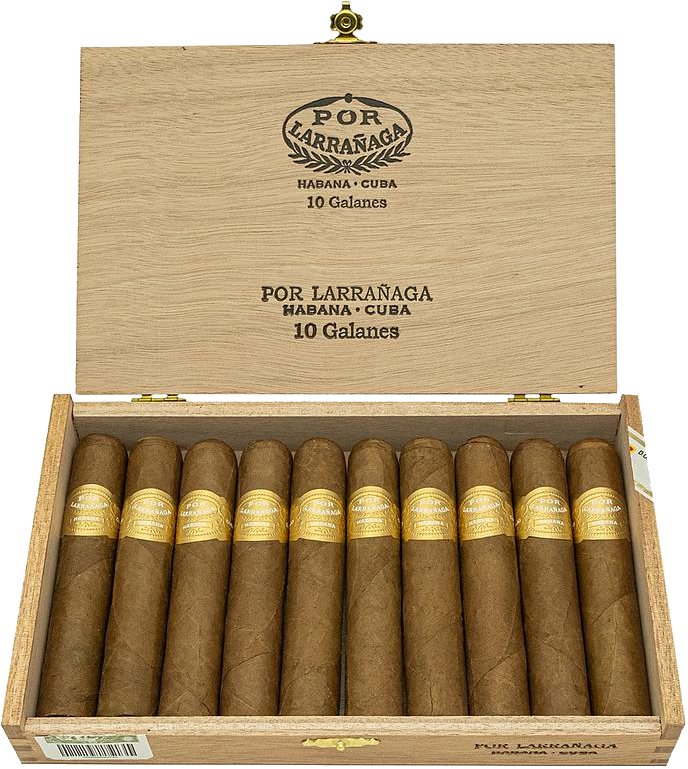
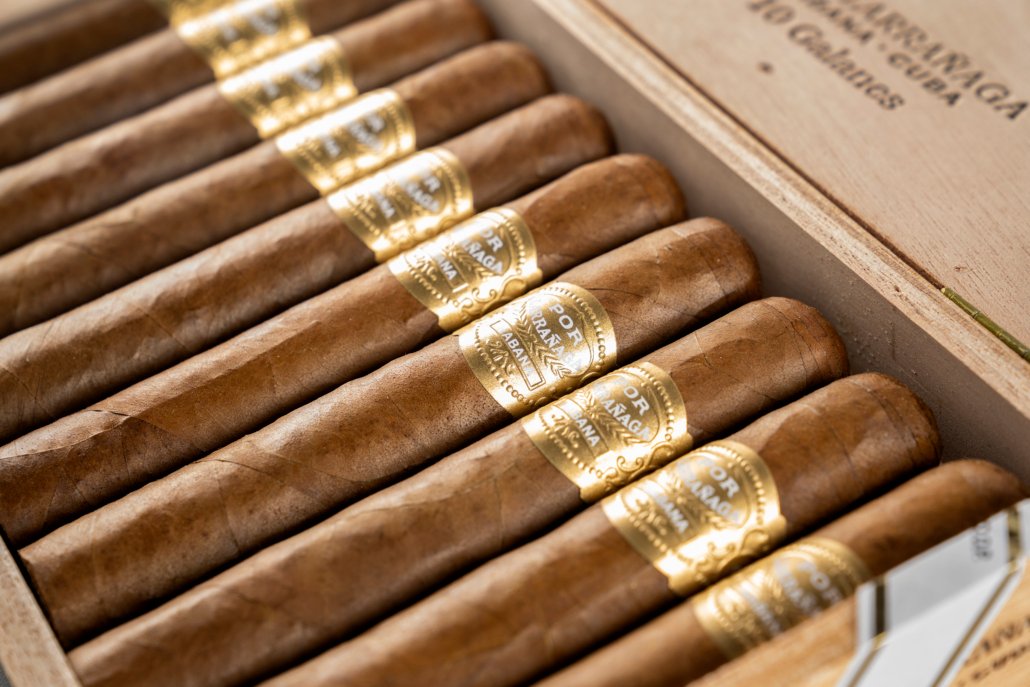
The slim strip of gold paper which adorns all Por Larrañaga cigars is probably the most eye-catching of all Cuban cigar anillas. Something about the way the crisp edge of the gold sits against the caramel-brown claro wrapper of the cigar lends an added elegance and style to each stick, making it feel truly luxurious. Seeing a line of these bands glinting in the light when one opens a new box of cigars is a wonderful moment. They seem to blend effortlessly into the cigar; not just stuck on in a factory, these medallions are an inherent part of the opulence of this premium brand.
It is fitting that this drama and reverence is brought by Havana’s oldest cigar company. It was way back in 1825 that a young Ignacio Larrañaga made his way to Cuba; by 1834 he had registered his cigar-making business. Por Larrañaga – ‘By Larrañaga’, if translated to English – is said by some to have been only the second Cuban cigar brand to be registered in Havana, and it is certainly the oldest to still survive. Production has been continuous for its entire history, and it is still popular today.
So grand was the reputation of Ignacio’s creation by the end of the 19th century that it was referenced by Rudyard Kipling in his poem ‘The Betrothed’. “There’s peace in a Larrañaga, there’s calm in a Henry Clay”, he wrote, while explaining why he would never choose a fiancée who insisted he give up his passion for cigars in order to win her hand. In the 1920s, frustrated by years of demand outstripping production, the brand became the first to import rolling machines from the United States, aiming to cut costs and increase volume simultaneously. The move backfired, as strikes by workers ground production to a complete halt, forcing the company to give in and return the machines.
The nationalisation of the Cuban cigar industry following the Revolution saw production of Por Larrañaga move to Hoyo de Monterrey’s La Corona factory. The footprint of the brand suffered in the years that followed as a trademark dispute greatly limited the jurisdictions in which the cigars could be sold, and the overwhelming majority of the output was machine-made cigars for Canadian smokers. The 2002 re-positioning of Habanos as luxury products saw all vitolas switch back to being handmade; 2002 also saw the release of one tripa corta (short filler) Por Larrañaga – the Panatelas – which has since been discontinued. Today the brand has returned to being considered one of the finest smokes available, all handmade, all long filler.
The taste for a thicker expression of the Por Larrañaga style was fuelled in part by the general shift of tastes in that direction, but also by the successful and popular performance of the brand in the Regional Edition programme. The majority of the almost 20 versions so far produced have been thick, imposing cigars, and the fact that distributors kept coming back for more was a strong indicator to the powers that be in Havana of what the market wanted. They have not yet been used to produce a Limited Edition stick, but that honour must surely not be too far away.
For any business to operate continuously for almost 200 years is a significant achievement. For it to do so in the face of huge political turmoil, changing attitudes to the product and the significant tightening of legislation around its sale and advertising around the world, and massive climactic impact on the source of the raw materials is simply extraordinary. Por Larrañaga have earned the right to be considered one of the most impressive brands in the world, not just in the cigar industry but across all luxury products and sectors. They have survived industrial action, adapted to changing market requirements and kept the soul of their original identity. They are truly the elder statesman of Cuban tobacco.